
3D Printing
Precision in series production with modern 3D printing. Flexible and reproducible manufacturing of efficient tools.
Diverse possibilities with 3D printing technology
Thanks to digital planning, a robust component is created from a design in a meticulously planned process where every detail matters.
Our services at a glance
Rapid component manufacturing
Flexible material selection
High precision
Customized solutions
Digitally controlled process
Resource-efficient manufacturing
This is how 3D printing works in detail
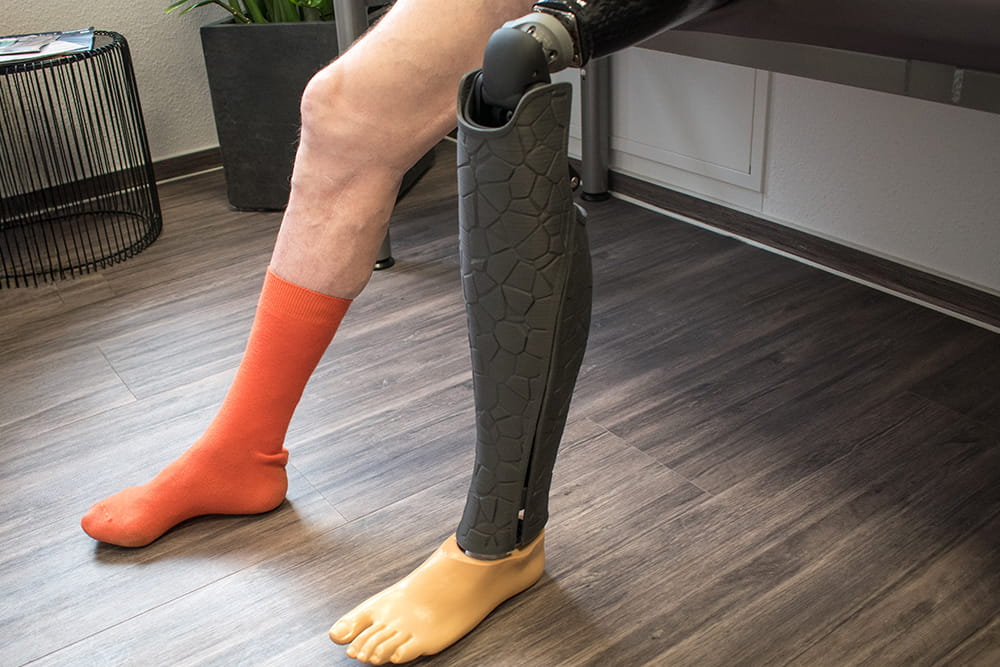
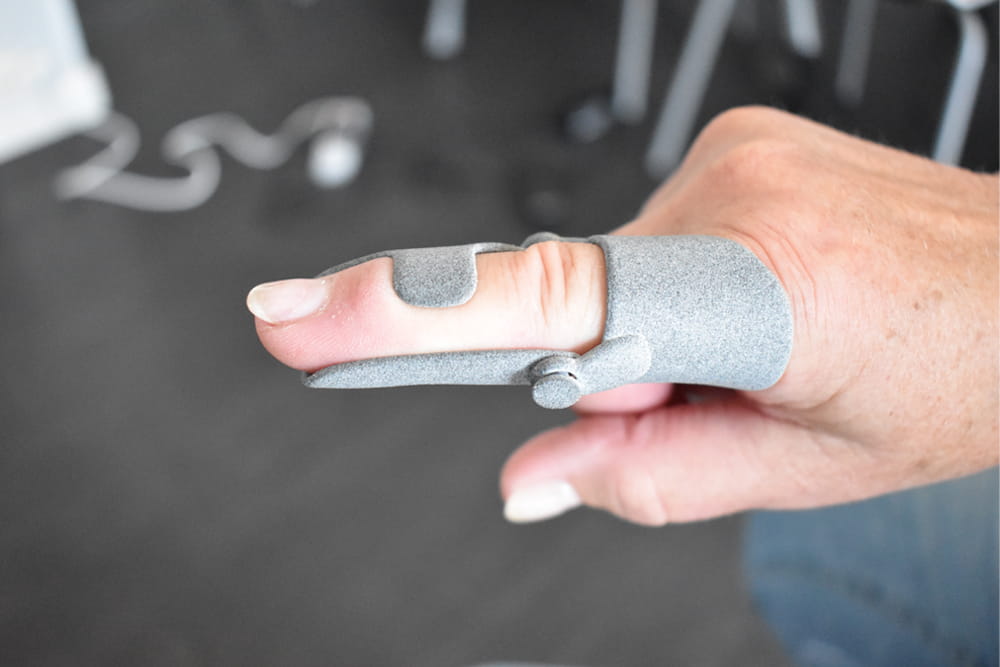
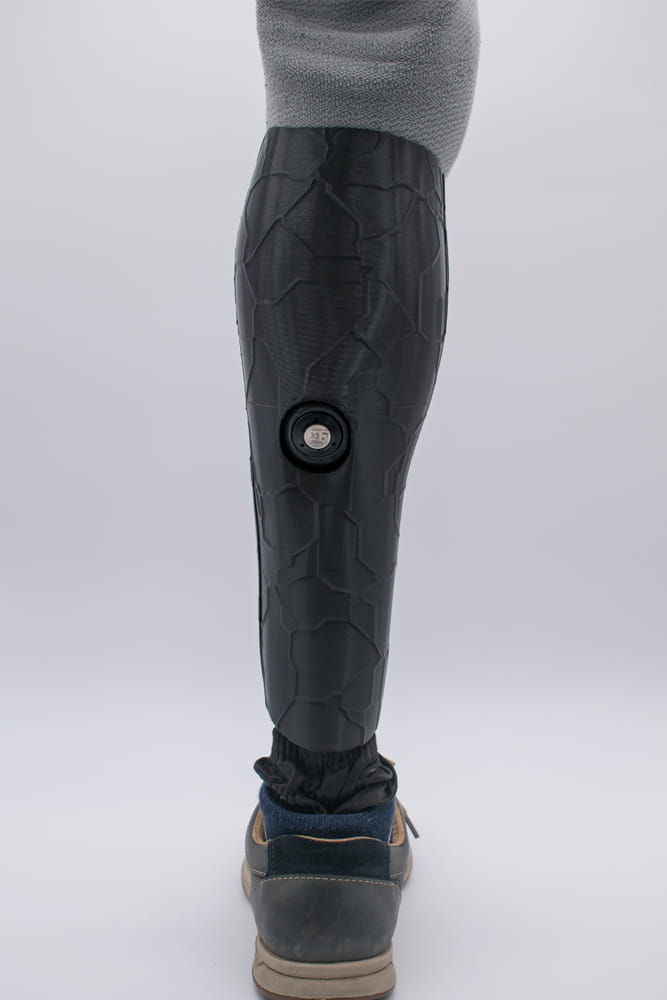
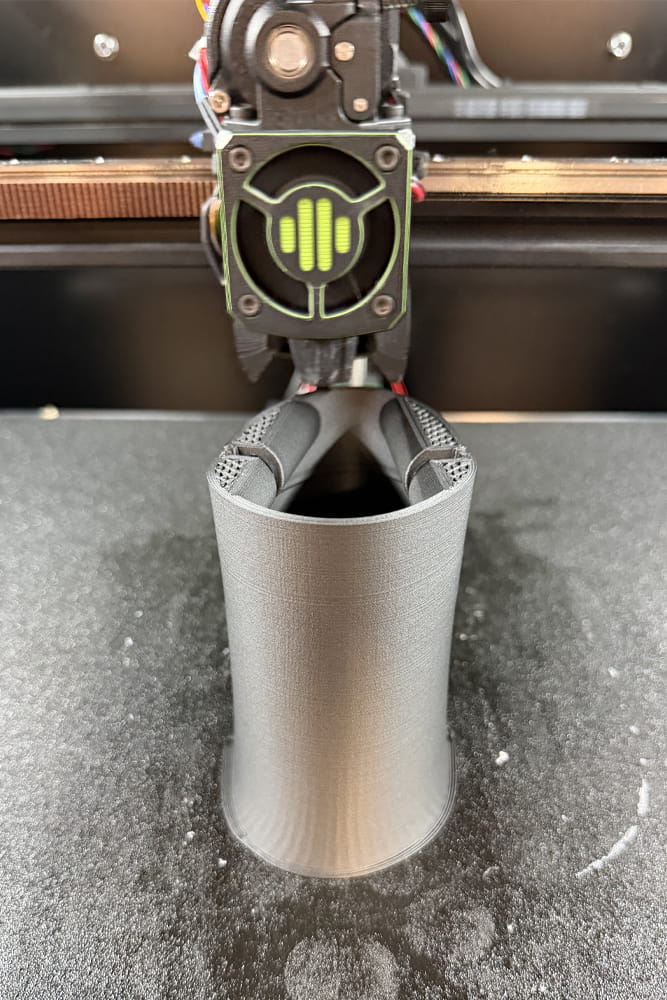
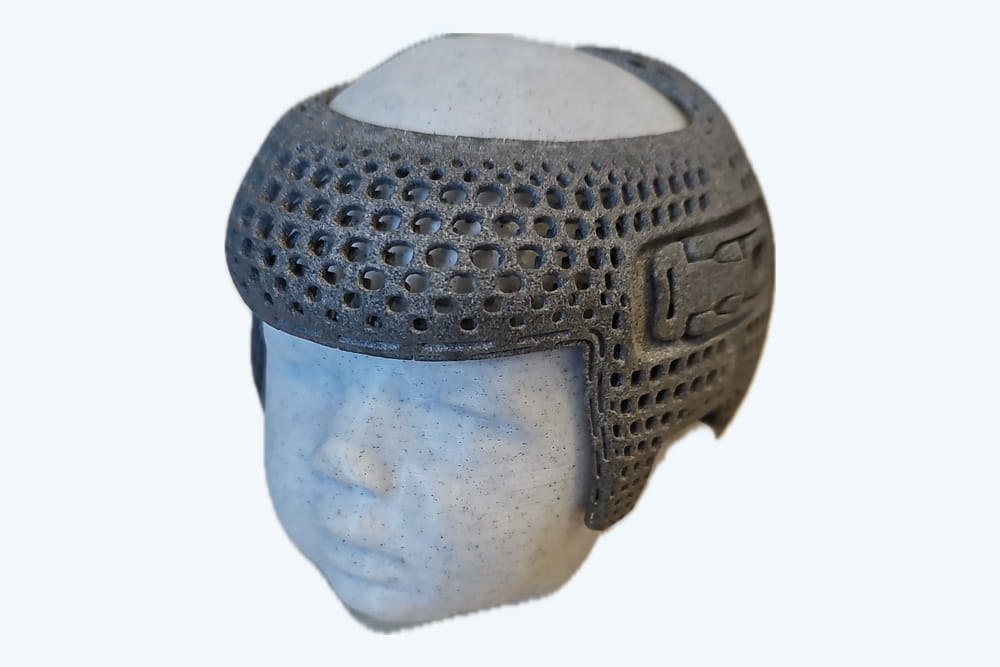
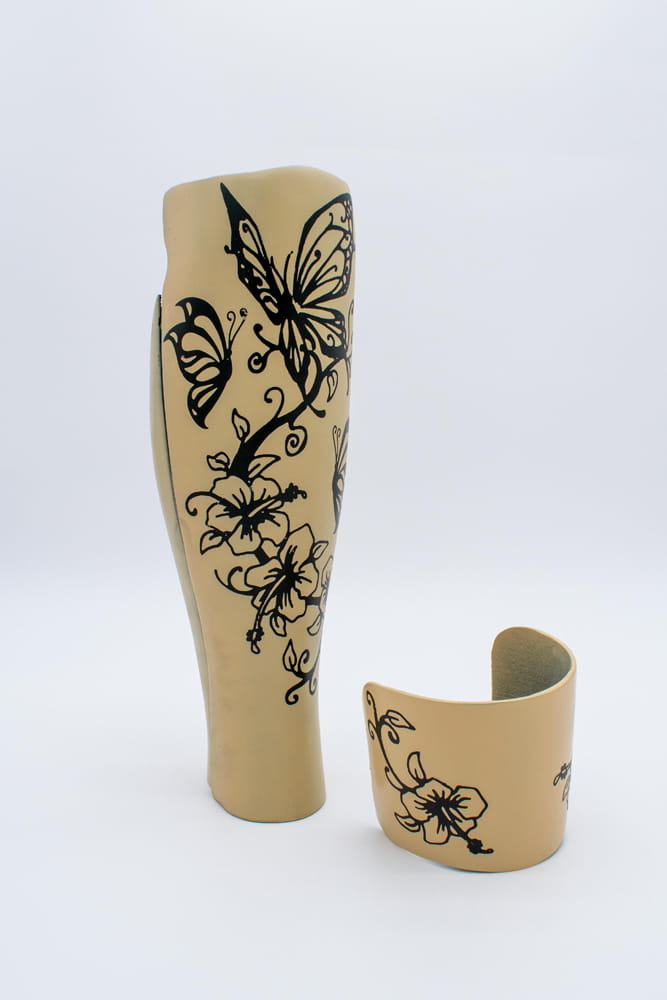
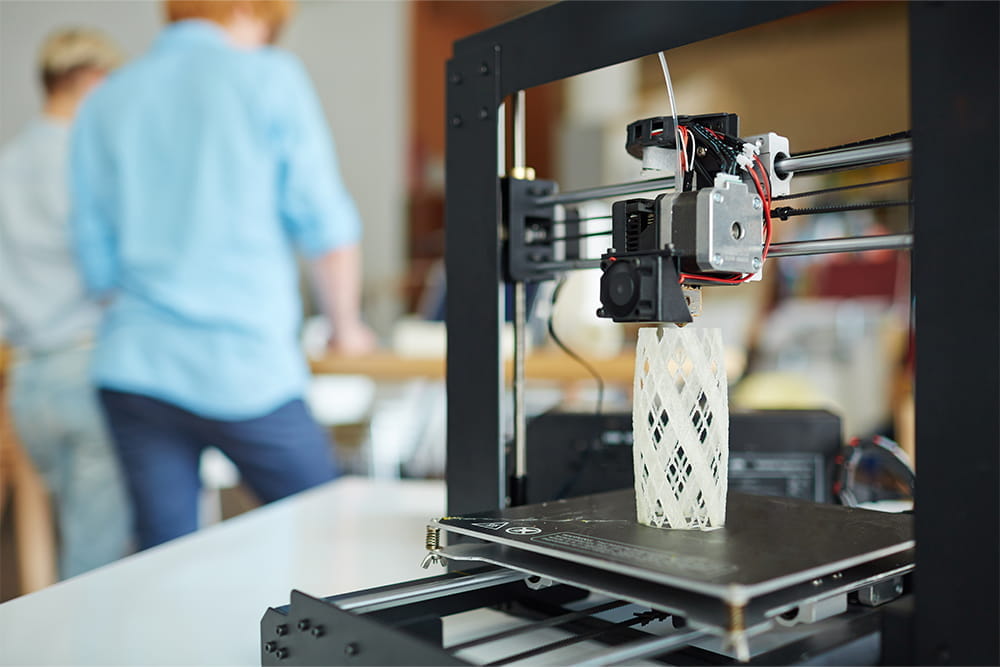
Before a component is manufactured, it is first planned and a concept developed. The geometry is then created and refined using 2D/3D scanning or 3D CAD. The finished digital component is then converted into a surface model. This is further refined using slicing software to create a layered model, which is then stored in machine code. This layer-by-layer model build-up corresponds to the layer-by-layer generation process by the 3D printer. Depending on the volume, complexity, and material of the component, the printing process itself can take anywhere from a few minutes to several days. After printing, post-processing is carried out before the finished component is installed in its intended application.
Here’s what our customers say


When my son had a serious sports accident, we were sent from the hospital to Orthopädie Scharpenberg because we needed an orthosis. We were given a very warm welcome, hardly had to wait at all, and the product was explained to us very clearly. We received excellent care in every respect.
Katrin


3D Printing in Action: Practical and Scalable






Frequently Asked Questions
What can be manufactured with 3D printing?
How long does a 3D print take?
What materials are used?
Is 3D printing sustainable?